Feature Guide
Ad Blocker
Block site ads with options to customize ad links and public ad servers
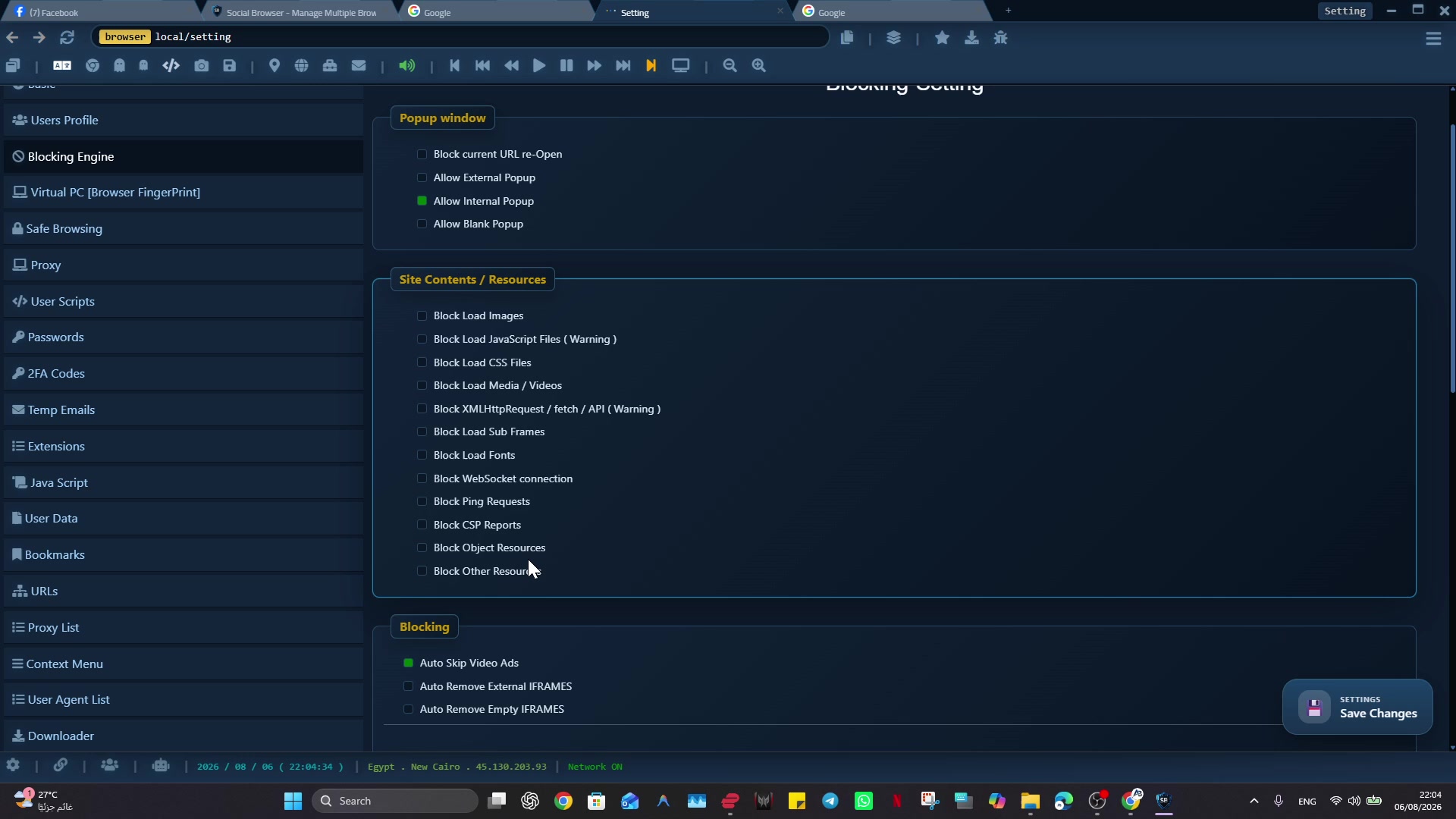
Ad Blocker is part of the Social Browser feature set for people who run serious web work across profiles, sessions, accounts, scripts, and daily browser routines. The goal is to make ad blocker practical inside a controlled browser workspace instead of leaving it scattered across tabs, extensions, external tools, or personal habits.
Social Browser keeps the operating model clear: user profiles, passwords, cookies, and sessions are stored on the customer's device, and feature workflows are designed around local browser control. That matters when a team needs speed but still wants visible boundaries, repeatable setup, and safer handoffs.
What Ad Blocker Does
- Keep the related workflow close to the profile, account, or workspace that owns it.
- Reduce repeated setup work by making the browser remember the right local context.
- Use browser controls more intentionally instead of relying on crowded tabs or manual notes.
- Support professional teams that need clearer separation between clients, roles, campaigns, or tasks.
- Improve daily productivity while respecting platform rules, privacy requirements, and local laws.
How to Use Ad Blocker
- Create or choose the Social Browser profile that owns this work.
- Confirm the session, proxy, scripts, and privacy settings that belong to that profile.
- Enable Ad Blocker only where it has a clear operational purpose.
- Test the workflow with a small, low-risk task before using it in a busy daily routine.
- Review the profile regularly so inactive, outdated, or risky settings do not accumulate.
Ad Blocker In Practice
| Area | Without a workspace browser | With Social Browser |
|---|---|---|
| Context | Settings and state are spread across browser tabs. | The feature stays connected to a named profile or workspace. |
| Safety | Users depend on memory and manual switching. | Profiles make account boundaries and local session state easier to see. |
| Team process | Handoffs happen through screenshots, messages, or repeated setup. | Teams can document the profile purpose and repeat the same local workflow. |
| Maintenance | Old extensions, settings, and habits can stay hidden. | Regular review keeps the feature useful and easier to audit. |
Important Notes and Limits
Ad Blocker should be used to make legitimate work easier to organize and repeat. It should not be used for spam, deception, platform abuse, privacy violations, or rule breaking. Good Social Browser workflows combine clear profile purpose, user judgment, and regular review.
Use this feature for legitimate, permitted work. Social Browser organizes browser profiles and settings; it does not guarantee results from third-party websites or override their policies.
Practical Setup Check
Use a test profile first. Configure only the controls needed for the task, verify normal browsing, and keep sensitive data private. Advanced blocking or browser settings can affect website behavior. Change one category at a time and test a trusted site.
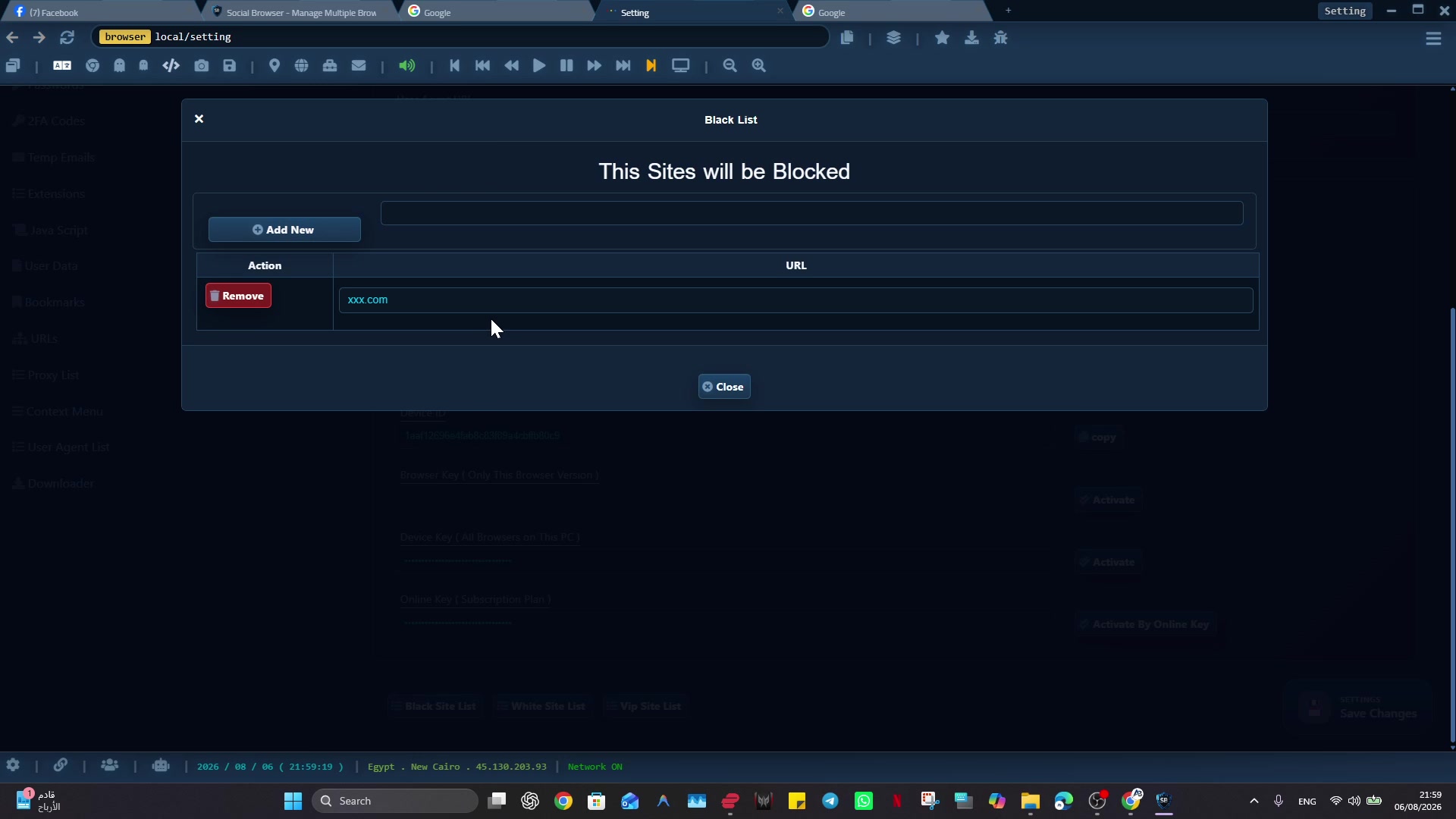 Fix a site that does not load
شاهد الشرح بالفيديو
Conclusion
Ad Blocker gives Social Browser users a more controlled way to handle ad blocker inside real web workflows. For marketers, developers, affiliates, agencies, and operations teams, the value is not just the feature itself. The value is that the feature works inside a browser environment built around profiles, local data, session boundaries, and repeatable daily work.